
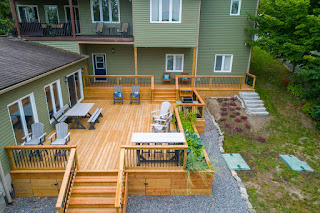
Having a deck in your garden is a great way to enhance the space, to provide depth and a dynamic look to what would otherwise be a quite plain outdoor space.
Selecting the right decking screws, however, is as critical to the deck’s lifespan as the choice of timber to use for the decking. Using low-quality or incorrect fasteners, this can lead to warped boards, structural failure, and rust stains in just a few years.
The benefits of a garden deck
Garden decks are a great benefit to a garden space and for many reasons. Let’s look at a few of those benefits that are worth considering:
Extended living space
When it comes to extended living spaces, garden decks offer a defined outdoor room for dining, relaxation, barbeques, or a mix of all three.
Versatility and design
Adaptable to any garden size, slope, or shape, there’s endles customization options for both design and the versatility in what can be created.
Increased property value
A well-designed deck helps to enhance curb appeal and can also significantly boost your home’s market value, providing a good return on investment.
Low maintenance
Garden decks are low maintenance, meaning they’re easier to keep clean than a lawn, for example, and require less mowing and weeding.
Durable and safe
With the use of high-quality materials that can withstand all kinds of weather, it’s a stable surface too. This is beneficial for little ones and pets running about.
Why specialized decking screws are essential
Why do you need a specialized decking screw? Why not use just the standard ones you find in your toolbox?
Unlike standard wood screws, decking screws have been engineered for continuous outdoor exposure. They’re corrosion-resistant due to the specialized coatings, or they’re made from stainless steel, which helps to withstand moisture and the corrosive chemicals found in pressure-treated wood.
Decking screws have a superior holding power through deeper threads and reinforced shanks. These prevent boards from lifting or popping as the wood expands and contracts with the seasonal changes that occur throughout the decking’s lifespan.
As well as the durability of the screws, modern designs often include self-countersinking heads, which sit flush with the surface. This eliminates trip hazards and unsightly protrusions.
Key factors for selecting the right screws
When it comes to selecting the right screws for your decking, here are some key factors worth knowing.
Pressure-treated softwood, it requires screws with specialized coatings. Hardwoods will need grade 304 or 316 stainless steel to prevent reactive bleeding or staining.
Composite decking should use composite-specific screws with reverse threads to prevent mushrooming. Screws in general should be at least 2.5 times the thickness of your deck boards. This will ensure deep enough penetration into the joists.
For coastal or high moisture areas, opt for stainless steel nails as these are the industry standard for preventing premature failure due to salt air.
Building a decking that lasts is important for your own financial benefit, so use these tips to ensure it lasts.