
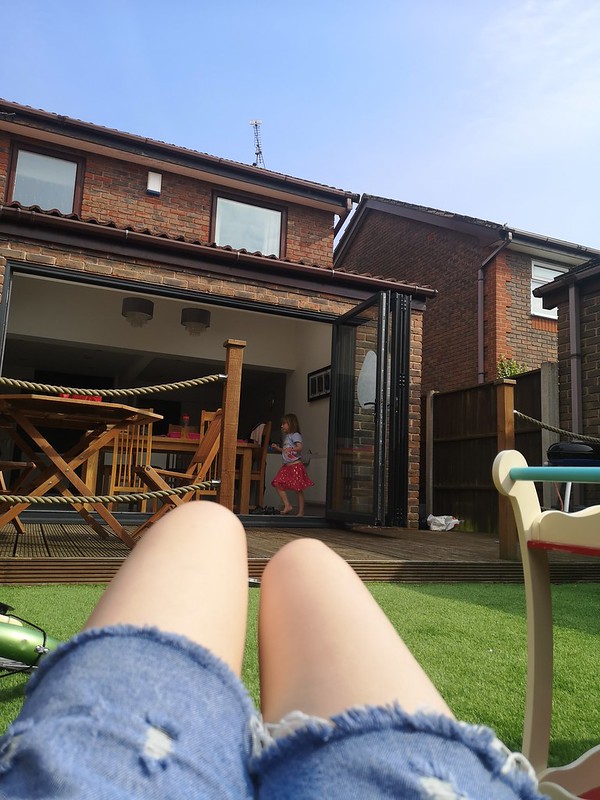
Adding an extension to your home is a fantastic way to get that much-needed space without the big hassle of moving or travelling. Maybe you’re dreaming of a big kitchen-diner, an extra bedroom, or your own home office. Whatever it is, a well-thought-out extension can totally change how you live. But hold on, before you start knocking down walls, you really need to get the basics right. From those first drawings to the final lick of paint, a successful project all comes down to careful planning and smart choices.
Initial Planning and Design
First things first, figure out exactly what you want to achieve. What’s the main reason for this new space? How do you want it to feel and work? Think about how the new part will flow into the old, how much natural light you’re hoping for, and what it will look like from the garden. It’s usually a good idea to bring in an architect or an architectural designer. They can turn your ideas into proper drawings, suggest clever solutions you might not have thought of, and help you get the most out of your budget and space. Looking into some key considerations and tips early on can save you a lot of headaches down the road.
Navigating Building Regulations
This part can seem a bit scary, but you really can’t skip it. Your project will probably need two main types of approval: Planning Permission and Building Regulations. Some smaller, simple extensions might fall under ‘Permitted Development Rights’. This means you don’t need to apply for full planning permission. But be warned, there are strict rules about size, height, and where it can go, so you absolutely must check this carefully. It’s always smart to get expert advice on where to start with a home extension to make sure you’re doing everything by the book. On top of that, Building Regulations approval is almost always a must-have. This covers all the technical stuff like how strong the build is, fire safety, insulation, and drainage, making sure your new space is safe and energy-efficient.
Selecting External Wall Materials
The outside look of your extension really makes a difference to your home’s curb appeal. The goal is usually to make it look seamless, so the new bit blends in perfectly with the original house. If your home is brick, it’s important to match the colour, texture, and size of your existing bricks. Taking a clear photo and even a weathered sample to a supplier can help you find a really close match. Finding the right house bricks can be the difference between an extension that looks stuck on and one that looks like it’s always been there. Other popular choices include render, which you can paint any colour, or timber and composite cladding for a more modern vibe.
Inside the New Space
Once the main structure is up, you can start thinking about the fun stuff: the inside! How will you connect this new space to the rest of your home? You could open it right up into a big open-plan area or just add a new doorway. Keeping things consistent is key to making the change feel natural. For example, using the same flooring throughout the ground floor can really link the spaces together visually. Think about where you’ll put windows and skylights to fill the room with light. You’ll also need to plan for heating, lighting, and plug sockets. Getting these details right means your new room won’t just be pretty, but also comfy and practical for everyday life.
Budgeting for Your Project
Creating a realistic budget is one of the most crucial steps. Your total cost will come from a few different things:
- Design Fees: What you pay your architect or designer.
- Build Costs: This is the biggest chunk, covering labour and materials for the structure. Make sure to get at least three detailed quotes from good builders.
- Statutory Fees: For planning applications and building control checks.
- Finishes and Fittings: This includes your kitchen, bathroom, flooring, windows, doors, and decorating.
- Contingency: Always put aside an extra 10-15% of your total budget for unexpected costs. Things can and do pop up, and having this extra money will save you a lot of stress.
An extension is a big investment, but with some smart planning, it can really add huge value and joy to your home for many years.
